



Proper etiquette classes to improve table manners, chivalry, and communication skills
Adobe Stock Image
// AI-assisted formatting failed. Using simple formatter.


// This is a machine generated transcript. Please report any transcription errors to will-help@illinois.edu.

[00:00:00] Brian Mackey:  It's The 21st Show. I'm Brian Mackey. As I mentioned, we were originally planning to have a full show conversation on that higher education, uh, funding, but with one of our guests not able to make it, we shifted things around. So, We're pivoting. for the rest of the hour, we're gonna be talking about etiquette and what it means in our society. We originally spoke about this back in 2024. Uh, because this conversation's on tape, this part of the show is on tape, we're not taking calls for it, but you can always let us know what you thought by emailing us talk@21show.org is the address. What does etiquette mean to you? Holding the door open for someone, using the correct tableware at a fancy restaurant, or maybe just saying and doing the right things when meeting someone from another country? All that and more is part of proper formal etiquette. And while it might seem like you're just expected to know these things, etiquette is something that has to be taught and learned. Enter Sherry Gordon Harris, who runs the Royal Purpose School of Etiquette in Peoria. The school offers classes on table etiquette, sitting and walking gracefully, effective communication, and chivalry. Sherry Gordon Harris joins me now. Welcome to The 21st Show. Thanks for being with us.

[00:01:23] Sherry Gordon Harris: Thank you. I'm honored to be here. Thank you for the invitation and I appreciate, um, being here to share with your listening audience today.

[00:01:32] Brian Mackey: In our greetings, greetings in our, in our post-COVID world, you and I are speaking remotely today, but in the, in the realm of formal in-person greetings, is there an adequate substitute for the handshake or other physical contact?

[00:01:47] Sherry Gordon Harris: Yes, and as you said, kind of post COVID, um, things are getting back to where they were before where people are shaking hands now that was of course paused during COVID. Now you get more of people using the hand sanitizer before shaking hands before and after so that has resumed um and moved past the elbow bump and that type of thing that was um. Uh, of occurring during COVID. So, but it's still umwise to be cautious and use that hand sanitizing and washing of hands.

[00:02:26] Brian Mackey: You don't think there's a risk of offending someone if you shake their hand and immediately give yourself a couple squirts of Pureel afterwards.

[00:02:33] Sherry Gordon Harris: I think in the time that we live in now it it's shouldn't be offensive it's for our and their own safety and so coming out of that, I think it's more understood and acceptable.

[00:02:48] Brian Mackey: All right, well, fair enough, the reason I ask that and as our opening question is I think it gets at this broader idea of when and how formal etiquette practices evolve, and I wonder how you think about that.

[00:03:01] Sherry Gordon Harris: When and how they evolve well because etiquette is is more of a polite behavior and it matters what culture or society you're in or in a particular profession. Um it's just important to know when and where to do certain etiquette and it may not always be known up front like you were saying you may have to study it, be taught it has to be learned and do some research behind it or just ask but it's definitely important based on where you are.

[00:03:31] Brian Mackey: All right, let's, let's go through some of the course offerings that that people can find at your school. Uh, beginning with table etiquette, what, what sort of things can people expect to learn about table etiquette?

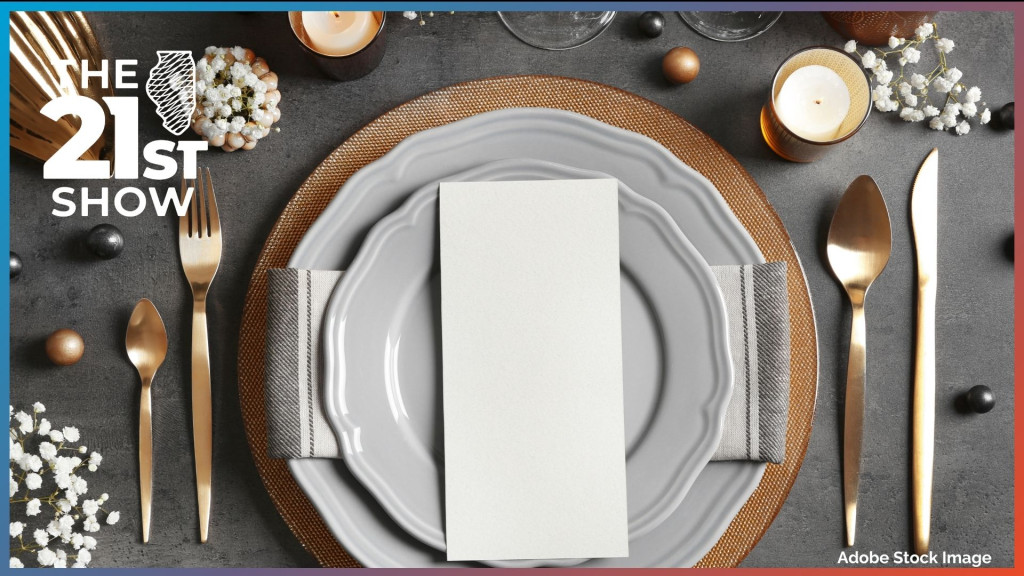
[00:03:43] Sherry Gordon Harris: Yes definitely so table etiquette and there's a couple different classes but basic table manners like not reaching over people's food and which way to pass the entree if you're sitting and dining in a Family style um what to do with the salt and pepper shaker what to do with the napkins and how to use the utensils um is a very and a big one which utensils to use how to identify them and how to dine and how to. Cooperate in how to communicate with your server or wait wait staff if you have um a wait staff.

[00:04:24] Brian Mackey: We noticed when we were looking over the offerings on your website that you also teach Islamic style table etiquette. What are, what are some of the unique customs there?

[00:04:31] Sherry Gordon Harris: Yeah, so I want to point out the table etiquette that I I teach basically American and European styles which you know in the culture and where I live and that's most common but I advise people to be mindful if you travel to the East or if you travel to another culture or if you go to China you want to be familiar. And make yourself familiar with what's custom and etiquette proper etiquette there so one of the main and biggest things in the in the east and is Ilamic countries is the table settings are a little differently and where we are the the fork would be on the left where they are the fork would be on the right and so there's um reasons um behind that um but things will be placed a little bit differently so. Knowing that you won't think, oh, their table setting is wrong. No, it's proper and correct for their particular culture.

[00:05:27] Brian Mackey: I like that. I got to say one of the, one of the best things I feel like I learned just as a, as a parent is teaching my kids this, how to set a table is the acronym F O R K S. I guess that's very Western, but you think forks, right? The F goes on the left, the fork, the O is the plate, R and then K the knife, and the S is the spoon. That that's how I keep all that straight. So that's uh that's that's very maybe very basic table etiquette. I guess it gets more complicated.

[00:05:54] Sherry Gordon Harris: That's neat. I like that. I may use that in a class.

[00:05:57] Brian Mackey: All right, so one of the other things you teach people is about, uh, sitting and walking gracefully. What does that entail?

[00:06:05] Sherry Gordon Harris: Yes, definitely sitting and walking gracefully for being ladylike and being gentleman there's a certain way of doing that for instance women. Being feminine, it's more appropriate to sit one with good posture straight up but also if you're going to cross your legs to cross them at the ankle and not at the knee so that's one example and then just walking gracefully again. Uer posture, not walking too fast, too slow, and always um being um in in a good um walking posture and then for uh gentlemen um they have a little bit different code but one of the things. Is for them when they um when they walk or they're escorting a young lady um to walk on the the outside um when like on a on a sidewalk but also um properly entering and exiting a vehicle there's a way for a young lady to do that and there's a way for a young man to help the young lady exit and enter a vehicle.

[00:07:19] Brian Mackey: You know, I'm glad you brought up that point because you also talk a lot about chivalry at your school. I wonder what that looks like, especially in this era of more gender equality and maybe people pushing back on some of the gender traditions and norms that we've had in the past. How, how do you think about that?

[00:07:37] Sherry Gordon Harris: Yeah, I think it's it's far too rare. You don't see it a lot and but then sometimes when you do see it you'd want to You think is it being put on is it being overly done but it's definitely something that should be taught and not just in a dating situation but in general and then chivalry can extend to more than just if you're to the person that you may be dating a relationship with but to hold a door open for older adults for seniors for someone that may be carrying something that need help that's chivalry as well.

[00:08:16] Brian Mackey: And I'm glad you mentioned that idea of, of which side of the, you know, walking down the street, the man's supposed to be on the outside. That's something I was raised to do. I gather this is to prevent my lady from being splashed by passing carriages or that sort of thing. But, you know, I gotta say, when I'm, when I'm with my wife, even if I Subtly maneuver to the street side. Sometimes she finds it a little irritating, especially for, you know, turning corners and changing and having to change up. Maybe she even thinks it's a little patronizing. Can you talk about how you, you know, how to adapt etiquette to the person you're with and, you know, maybe they don't want it to be so formal.

[00:08:53] Sherry Gordon Harris: Yeah, well, a person has to be acceptable to it um I suggest just kind of lightly and politely gently suggesting um. Um, the etiquette in the in the moment that type of thing say you know just oh could we do it this way could we oh I prefer this way or whatever and so you're teaching by expressing your your preference, but if you um know the etiquette then you can share that and and express your preference but if you don't know yourself then you can't express that that preference.

[00:09:25] Brian Mackey: If you're just joining us, this is The 21st Show. I'm Brian Mackey. We're listening back to our conversation with Sherry Gordon Harris, who runs the Royal Purpose School of Etiquette in Peoria. Her school offers classes on sitting and walking gracefully, table manners and effective communication, plus chivalry. You know, I, I also want to talk to you, you have a course on effective communication, greeting in effective communication. Our producer noticed that even in his emails with you setting up this conversation, they were a little more formal and polite than we often see. Can you talk about, you know, improving our written communication with people in this era of, you know, short text messages and acronyms and, and just getting the message done as fast as we can?

[00:10:12] Sherry Gordon Harris: Yes and of course written and verbal communication are different but in my um writing I try to address um whoever I'm talking with um and communicating with I'm formally full name if I'm very. I sure about gender then I may include um a prefix on the name or if they have a preference um of pronoun in their email I'll use um that in communicating with them but one of the articles I wrote was um about greeting someone you may not know all the. Time what time of the day they may read that so you don't know to say good morning or good afternoon or good evening so just a general thing to say is greetings and then to always be polite and always to communicate on the subject that's being presented and always close out graciously thankfully and sincerely

[00:11:11] Brian Mackey: thankfully and sincerely, yes, I do like that. You know, um, I, I wonder how you get into this line of work in this modern era. How does one become a professional etiquette consultant?

[00:11:23] Sherry Gordon Harris: Yeah, so I did start with home training with my etiquette from my parents and then in school I participated in a college preparatory program where we stayed on a college campus and we were taught etiquette,
particularly dinner. Etiquette table etiquette because we were going to be going to a dinner theater out of town and so it was more formal and so the men were taught how to open the door how to hold the chair and help the young ladies sit down and then how the young women should act as well and how to Use the the utensils and how to not clank the plates and make loud noises but um I use that to teach some of my young ladies in some pageants that I hosted but I wanted to get more formal training on it so there's definitely books that you can read um there's articles um but then you can possibly find um. An institution where you can get certified and um learn more and then continue to learn that there may be conferences you can go to um but those are some some of the ways that you can get more knowledge on that as well as attending uh one of my classes forr Pur School of etiquette and seeing what I have to offer online.

[00:12:49] Brian Mackey: absolutely and we will have a link to your website. On our website, which is 2firstshow.org. We're coming to the end of our time together. I, I guess one thing I'm curious about, you think a lot about etiquette, um, the proper way to do things. America is really become an informal culture. I'm, I'm wearing blue jeans to the office today. I, I wonder if sometimes you ever feel like you're living among barbarians.

[00:13:12] Sherry Gordon Harris: Well, I wouldn't say barbarians, but I would say, you know, those that, you know, don't take in consideration what's acceptable, what may not be offensive, you know, that they're not considerate, you know, there's not enough courtesy as there used to be, you know, and among all Um, age ranges but particularly younger age ranges um if you're invited to an event a party if they specify the attire you know to be respectful and courteous you want to oblige that um if you're going to somewhere where you know um more coverage is uh normal expected to um oblige that as well um but if it's it's a common thing to. Either wear jeans or you know dress down Fridays at work whatever if that's something that's set then that's acceptable but you know it's just a lot of people are not as courteous and then some people are not expecting of it. there's some fine dining restaurants that you may go to they may require a jacket they may have it posted that no jeans are allowed, so it's either oblige that or you're not admitted, but I just think we need to raise the consciousness about it more and get trained on it and to let people know what's acceptable and what's not and if it's not just about doing it it's about not offending people it's about being able to get along in whatever setting that you're in so you don't offend people and so that you can remain there and for whatever purpose that you're there for.

[00:14:56] Brian Mackey: put your best self forward. And that was our conversation with Sherry Gordon Harris, who runs the Royal Purpose School of Etiquette in Peoria. We spoke with her back in 2024. That's it for us today. Tomorrow, talking with Congressman Raja Krishnamoorthi live. If you have questions, talk@21stshow.org. Let us know ahead of time. The 21st Show is a production of Illinois Public Media. I'm Brian Mackey. Thanks for listening. We'll talk with you again tomorrow.
Today's show included a rebroadcast of the following "best of" segment first aired March 22, 2024: Proper etiquette classes to improve table manners, chivalry, and communication skills.
