



You can save our planet one small gesture at a time
University of Illinois Urbana Champaign
The following is a transcription of a conversation featured on State of Change.
Tinisha: A green thumb is one way to help your neighbors and your planet, but there's even more you can do. Joining us in the studio is Jennifer M Fraterrigo, associate director for campus sustainability and a professor in the Department of Natural Resources and Environmental Science at the University of Illinois Urbana Champaign. Welcome to State of Change.
Jennifer: Thank you for having me.
Tinisha: So, as we're talking about sustainability, you know, that feels like a big task for people. So, when you're introducing this concept to people, what are some small things that we can do that are just us doing our part?
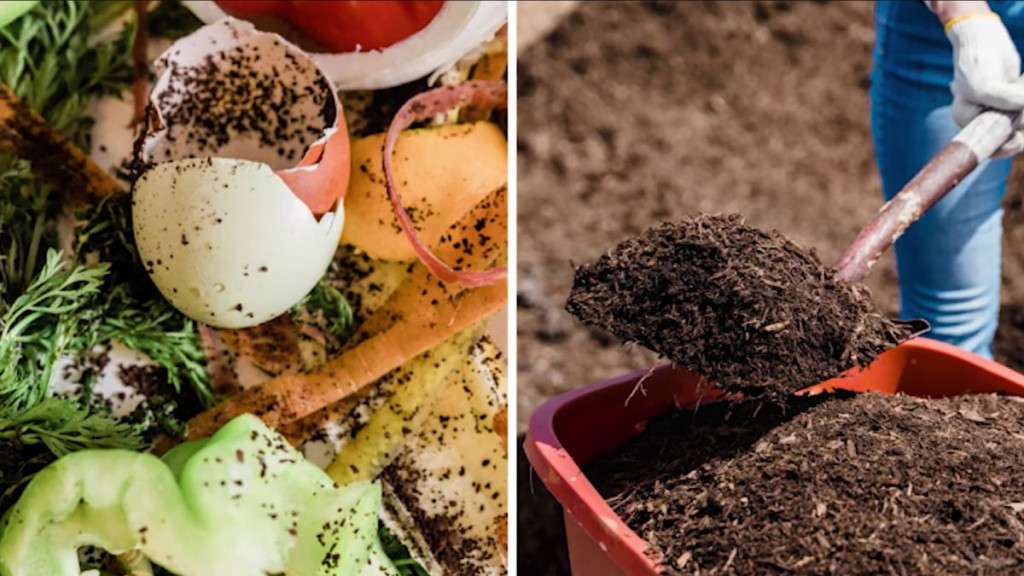
Jennifer: Yeah, that's a great question and I think a really important topic for us to discuss because there are a lot of different just small modifications people can make in their daily lives that could actually have a big impact. So, one of the changes that I have made in my family, my household, that I think has been really important is to compost our food scraps.
Tinisha: Oh, that's a good one.
Jennifer: Um so, uh there's a fairly large proportion of the waste that we dispose of that could actually be composted. And because that um food waste in particular contributes to methane emissions, which is one of our most potent greenhouse gases, if we keep that out of our landfills, we can actually lower greenhouse gas emissions.
Tinisha: Wow. So, composting is a pretty easy thing for most people to do?
Jennifer: It's just a matter of sorting your waste. So, putting your food scraps into a separate container, having a compost tumbler or a small pile in your yard um so that those scraps can decompose and then potentially add them to your garden or they can stay there for a long time, but they're a really good amendment for if you're a vegetable gardener, for example. So, that’s what you can put in your soil. So, lots of options there.
Tinisha: Another thing I think about is water bottles. They're everywhere. I do see, like even at my kids’ schools the water fountains that are designed for the bottles. So, I feel like we're moving in that direction. But let's talk about the impact of just those plastic water bottles.
Jennifer: Yeah, absolutely. That's another change that we can all make, that I think as you mentioned it is probably pretty easy for us to do because of the availability of good quality drinking water. So, we can use reusable bottles instead of choosing to buy bottled water in plastic. So that reduces our reliance on plastic waste. Obviously, those plastic bottles come from petroleum sources. So again, it's another way that we can just reduce our greenhouse gas emissions, and I think do things that are good for the planet.
Tinisha: Excellent. What are a couple other things that you would just throw out for folks who maybe just want to say, "Okay, I'll give it a shot. I'll get, you know, I don't I'm not going to change the world, but I can make some changes in the corner of my world." So, what are some first steps?
Jennifer: Yeah. Yes, certainly I think there are a lot of things that are easy to do. Making sure that we're shutting off lights, making sure that we're removing chargers when our devices are charged. So, those are fairly low hanging fruit. Setting back our thermostats, for example, to make sure that, for example, when we leave the house, we're not heating or cooling our home, you know, for reasons that aren't really necessary um because we're not there. Other things that might take a little bit more effort would be reducing, for example, meat consumption. So, if we eat more of a plant-based diet, it's healthier for us and it's also healthier for the environment. And that's again because the energy inputs for producing um meat is quite large relative to plant-based protein. And then things like certainly, riding bikes rather than always or walking rather than always getting into our car using public transportation. Again, sometimes that's harder depending on where you live, but those are some other things that we can do to reduce greenhouse gases. Those tiny steps. Those tiny steps.
Tinisha: Absolutely. And we’ve got about a minute or so left. Do you have any projects that you're working on at the university that we can maybe see implementation soon?
Jennifer: Yes. Well, we've been working for a while on trying to reduce plastic waste. So, along the lines of what we already discussed, using reusable bottles, but also things like um carrying your own tote bag so that instead of accepting a plastic bag when you shop, you can just fill your own personal bag that's reusable, things like that. And also, I guess another one that we've been really trying to focus on that's harder for us at a campus scale, but we're trying to introduce a composting option for people on campus. So again, we can keep those food scraps out of the landfill. Once people catch on to how compost, how wonderful it is. I think that'll be easy because that stuff is like gold in the garden.
Tinisha: All right. Thank you so much. We've been speaking with Jennifer M Fraterrigo, associate director for campus sustainability and a professor in the Department of Natural Resources and Environmental Science at the University of Illinois Urbana Champaign. Thanks so much for coming in.
