







The Morrow Plots
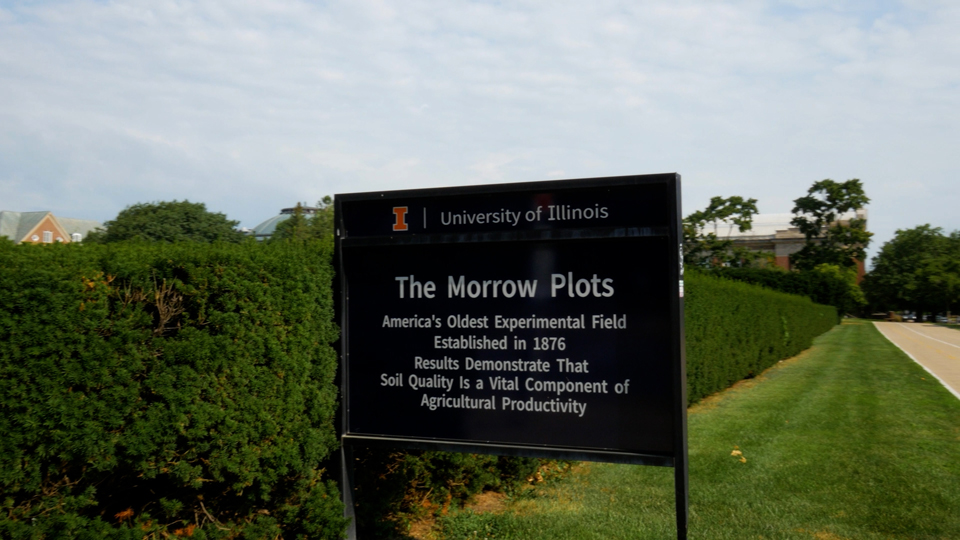
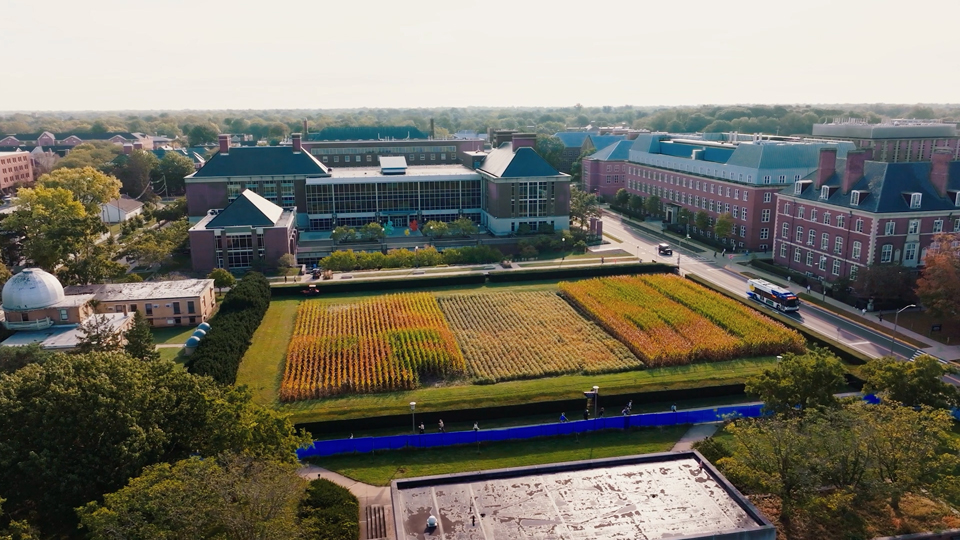
The Morrow Plots at the University of Illinois Urbana-Champaign is celebrating 150 years as America's longest continuous agricultural experiment.
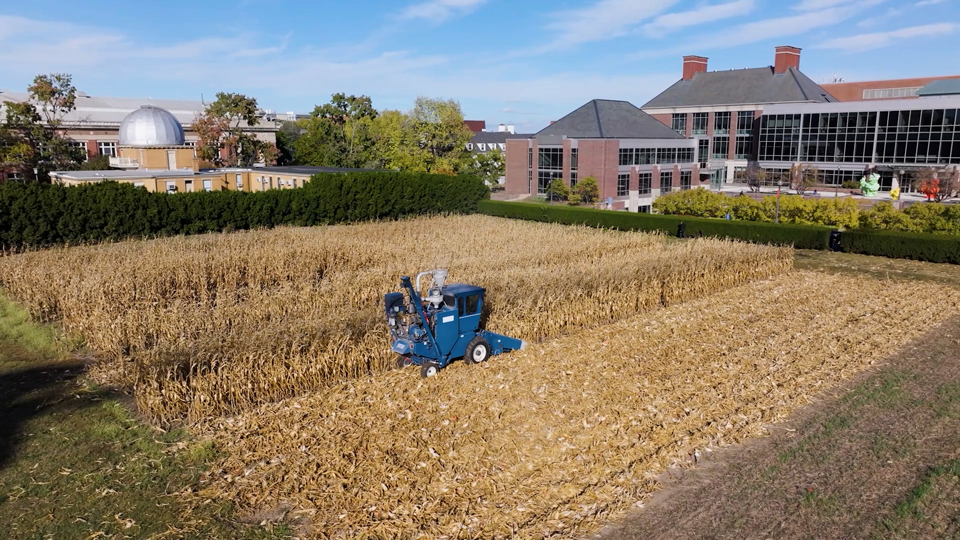
To commemorate its 150th anniversary, this segment explores the lasting impact of the Morrow Plots. Established in 1876, it is the oldest continuous experimental crop field in the United States. Located in the heart of campus, this former patch of prairie has been cultivated year after year, generating invaluable data on soil health and agricultural sustainability that continues to inform researchers around the globe through a freely available dataset.
“Many parts of the world share a similar environment as the ‘Corn Belt of Illinois,’ and these regions stand to benefit from our communication. I’d argue that that goes both ways,” says Andrew Margenot, a professor of soil science and the director of the Morrow Plots.
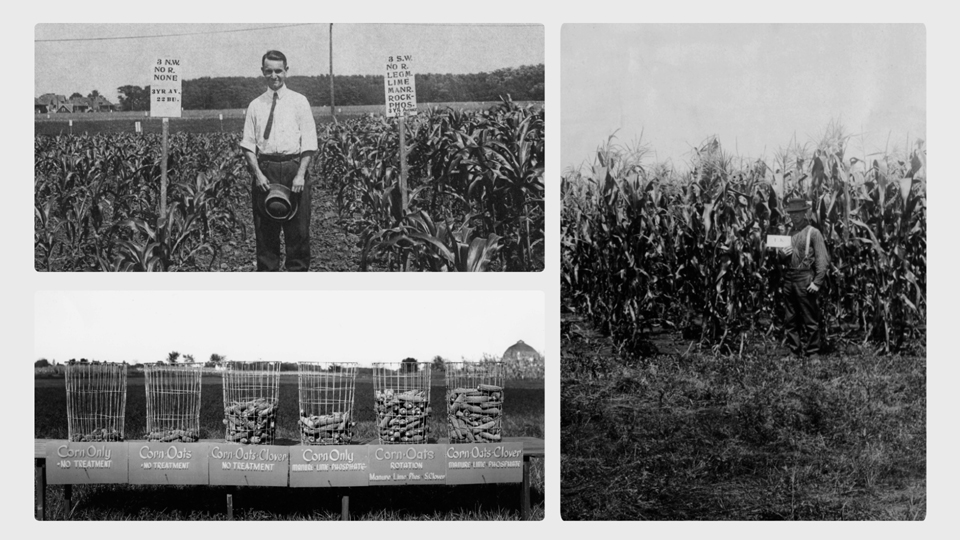
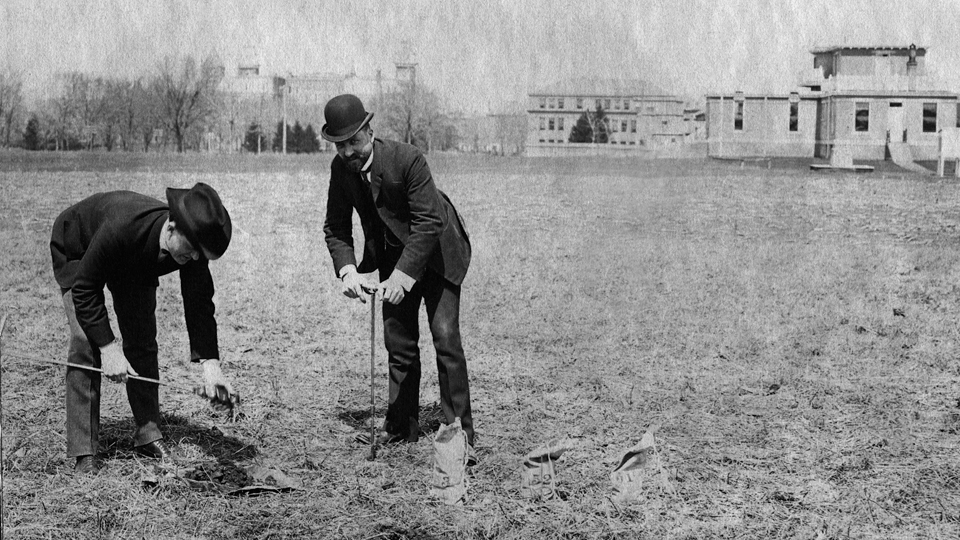
Established by Professor Manley Miles after visiting England's Rothamsted plots, the experiment was created to generate location-specific data for Illinois agriculture, disproving the assumption that prairie soils could sustain crops indefinitely without treatment.
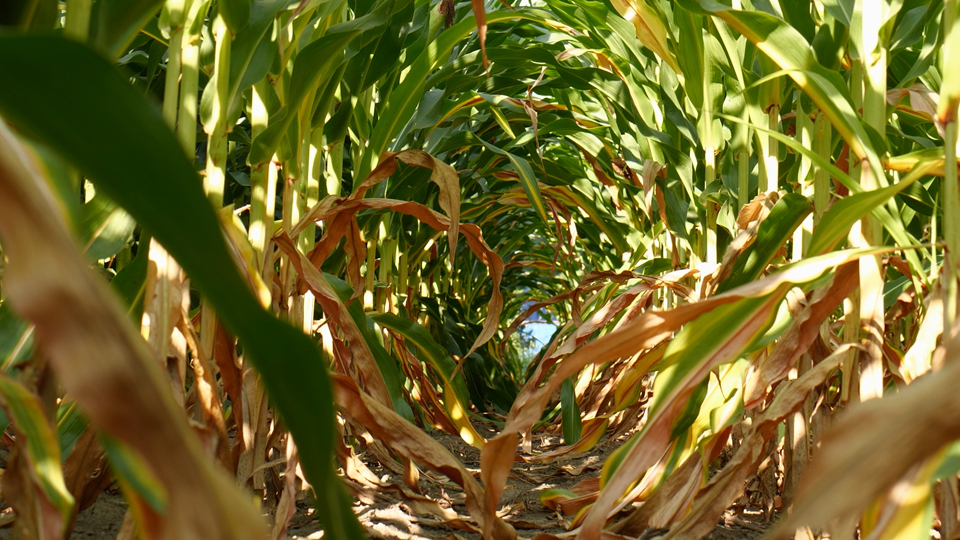
Originally featuring crop rotation experiments under George Morrow, the plots were gradually reduced as campus expanded, leaving three rotation treatments: continuous corn, corn-soybean rotation, and corn-oats-alfalfa.
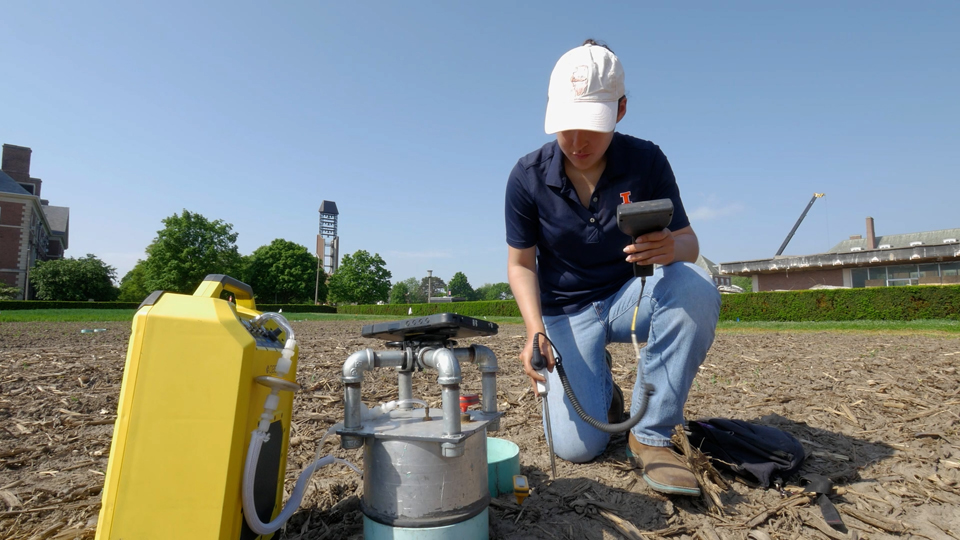
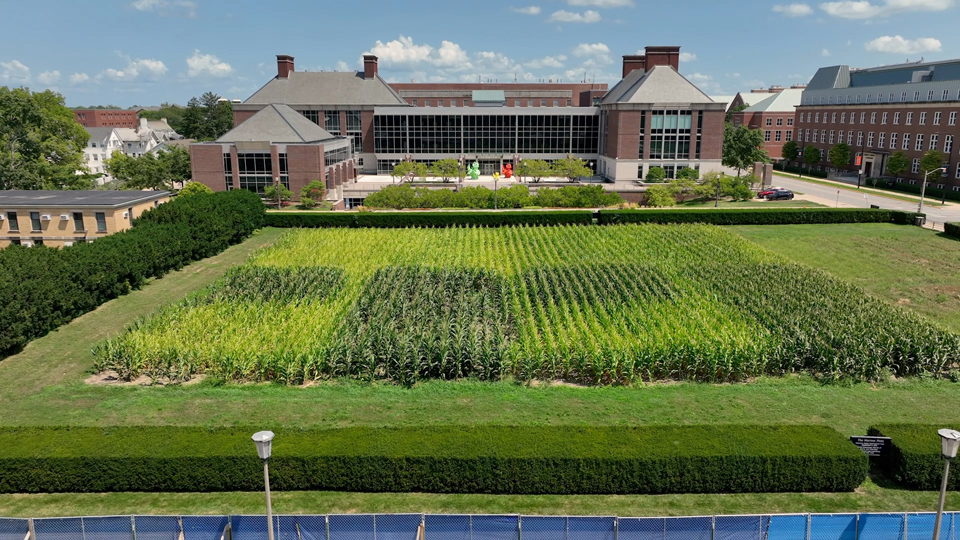

Current research includes greenhouse gas emissions monitoring and advanced soil imaging comparable to medical MRI, revealing pore structures and earthworm networks after 149 years of management.
The Morrow Plots' success inspired the newer Alma Mater Plots, which study subsurface drainage and real-time environmental measurements to address contemporary agricultural challenges.