








Illinois experienced more than 200 tornadoes in 2026. Is this our new normal?
Table of Contents

State of Change airs Thursday, November 12, 2026 at 7:30 p.m. on WILL-TV. It is also on the Illinois Public Media YouTube Channel . The Backlund Charitable Trust provides production funding for this program.
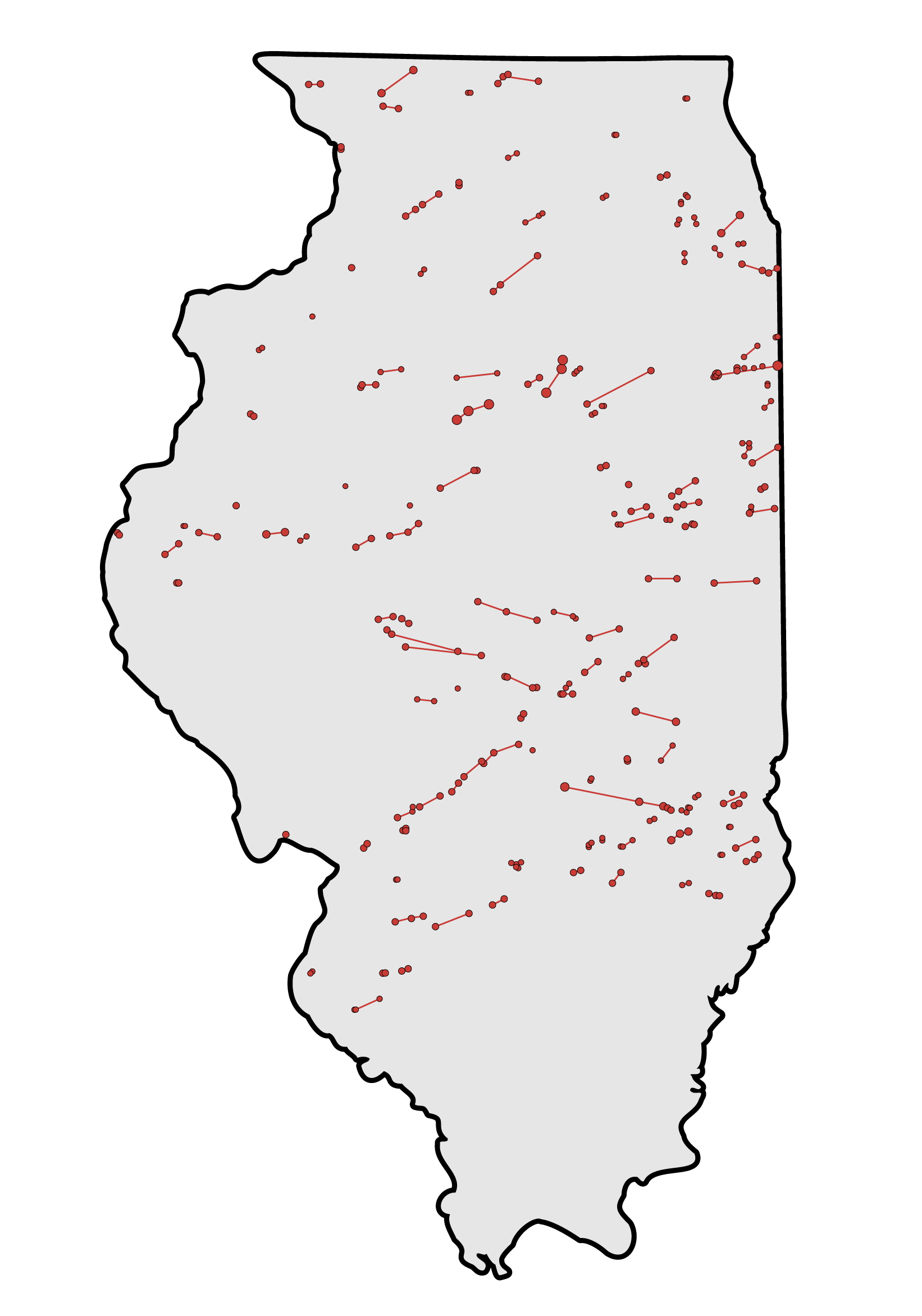
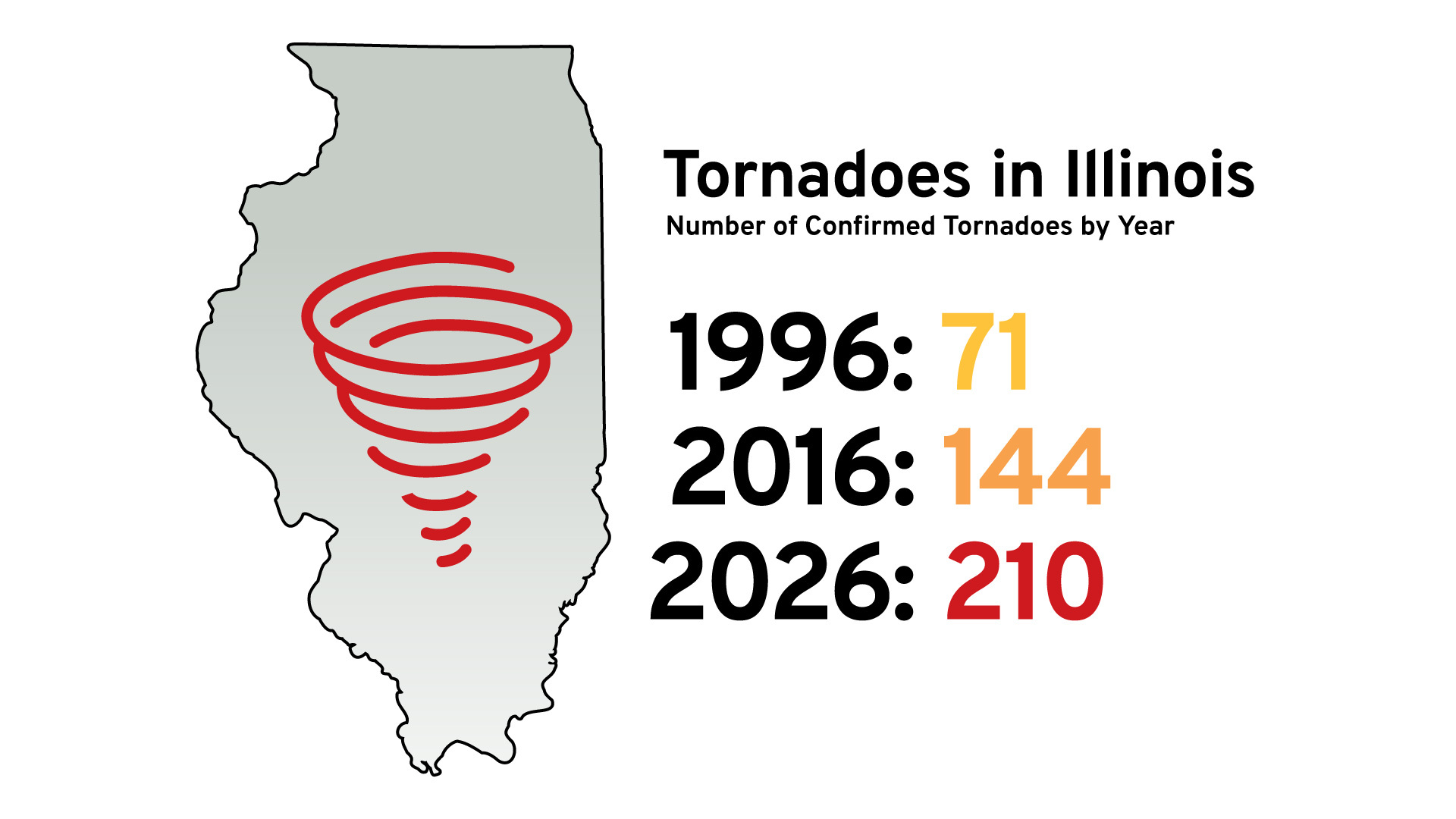
In the first ten months of 2026, the prairie state set a record of more than 200 tornadoes… nearly four times the yearly average. This map shows the tornado tracks, according to the National Weather Service.
In March of 2026, one of the strongest tornadoes in Illinois touched down in Kankakee killing 3 people and damaging 500 buildings. It also produced record setting hail stones. On June 11, there were 24 tornadoes reported around the Chicago area. One storm in Streator injured seven and destroyed dozens of homes. Less than a week later, a powerful tornado crossed both I-57 and I-70 in Effingham. A family-owned business, Mid America Motorworks, took a direct hit.
Illinois took the brunt of tornado season this year, as fewer storms touch down in Tornado Alley
EFFINGHAM – It took half a century to build Mid America Motorworks in Effingham.
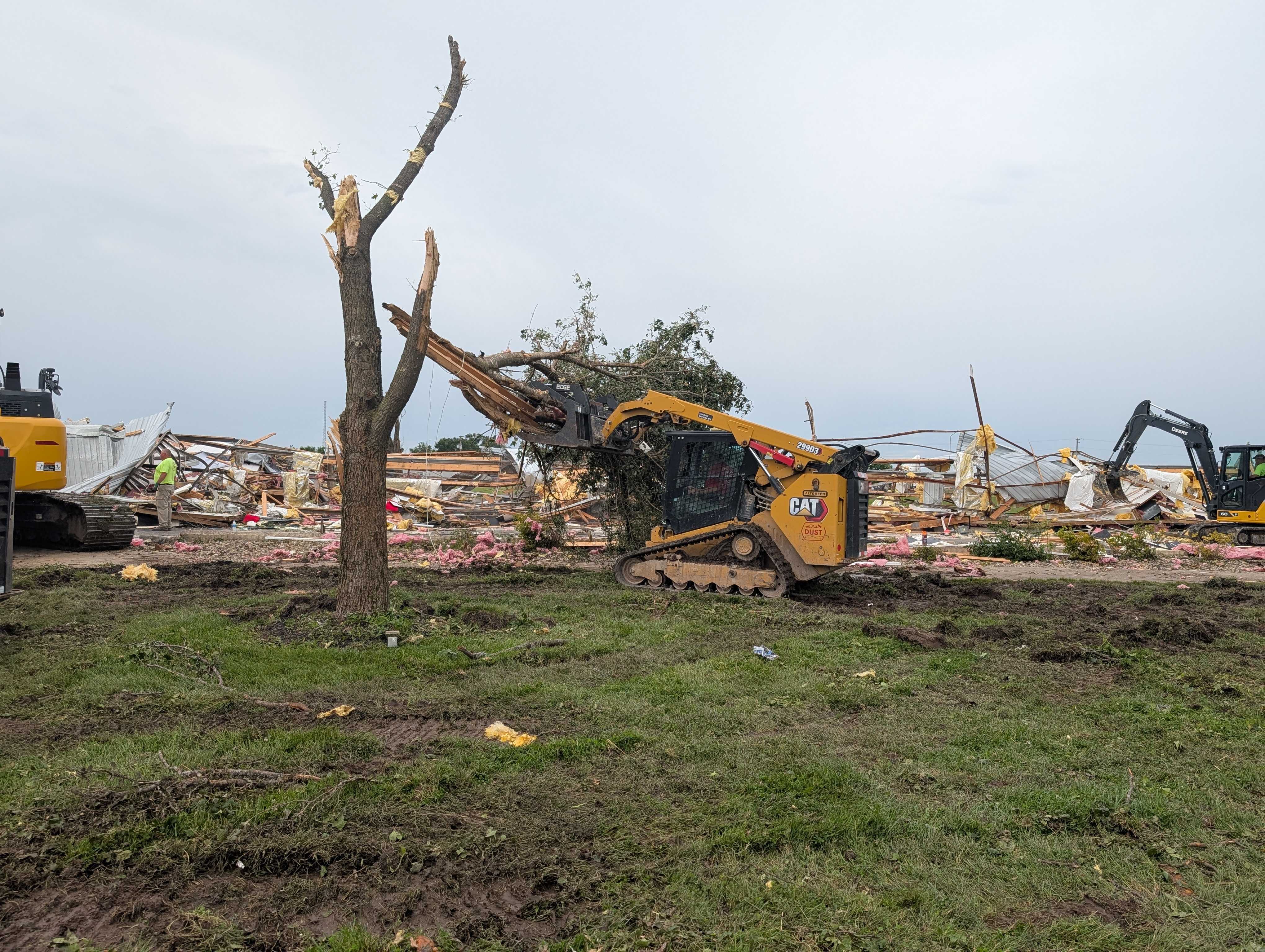
It took only seconds for an EF3 tornado on June 17, 2026, to turn the business the size of a small shopping center into a pile of rubble.
Two people were hurt in the storm. More than 100 mile per hour winds flattened the family-owned Corvette museum and parts store, leaving twisted metal, downed power lines and shredded trees.
“I’ve run the gambit of emotions from sad and happy, depressed, just everything,” owner Michael Yager said.
His father started the business more than 50 years ago with a loan of $500.
“My dad started me as a little boy, from mopping floors and doing every single job within the business,” Yager said.
The museum housed one-of-a-kind cars. More than a dozen were totaled.
Most of the company’s inventory was lost to the tornado. A lot of inventory they were able to save was then destroyed by rain in the days after.
“The backside of the building is completely gone,” Yager said. “All of our racking. Our inventory is completely gone.”
The tornado stayed on the ground for more than 25 miles and was as wide as five football fields.
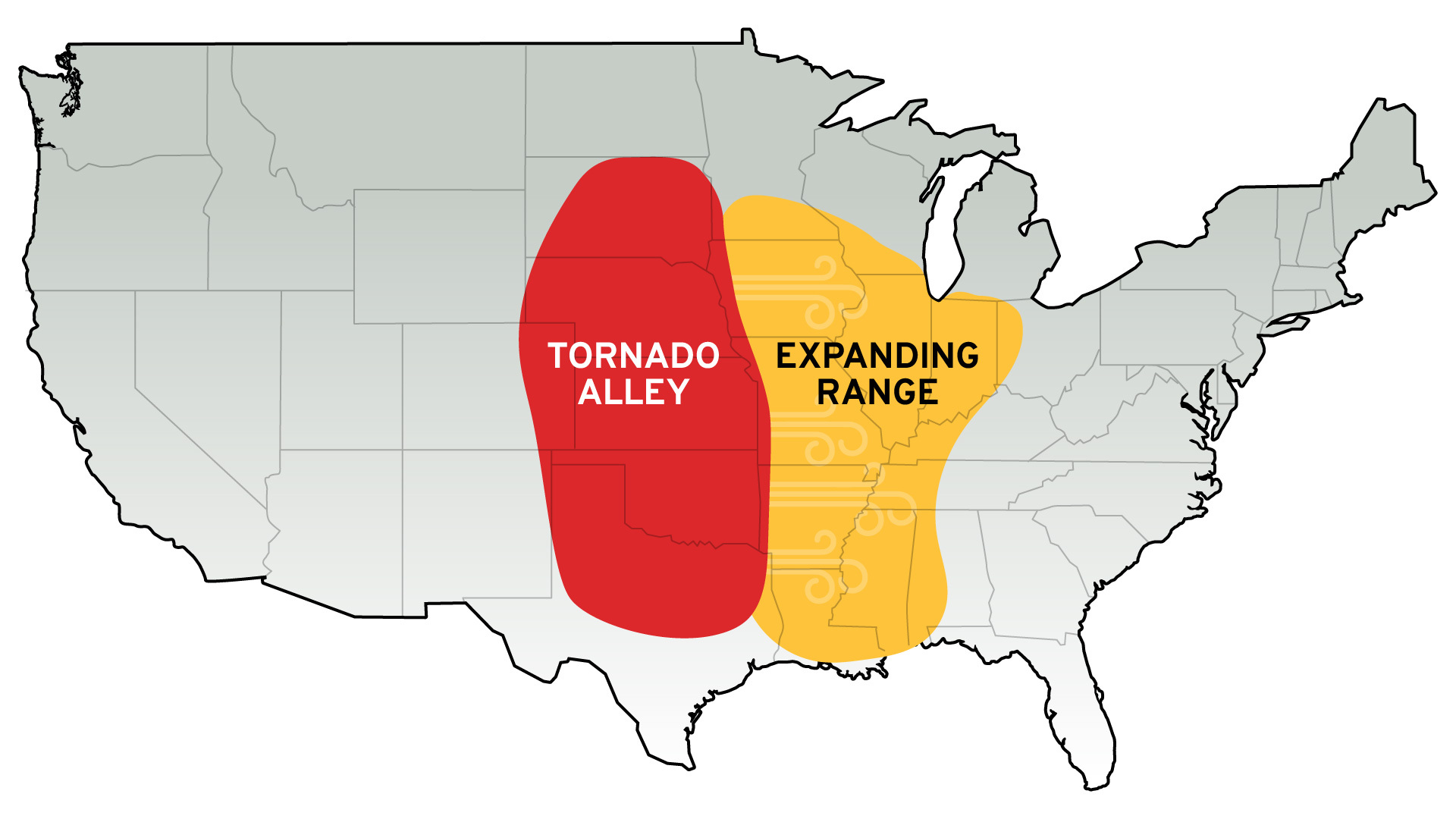
It’s one of more than 200 tornadoes that have touched down in Illinois this year. Historically tornadoes have most frequently touched down in the Great Plains, hitting states like Kansas, Oklahoma and Texas, but research has found since 1979 that pattern has been shifting, leading to more tornadoes in Illinois and the Midwest.
The data is illuminating. In 1996, Texas had 138 tornadoes. One hundred and seventeen were reported in 2006. By September 2026, only 58 had been reported.
In 1996, 71 tornadoes were reported in Illinois. That number nearly doubled in 2016 and by fall of 2026, more than 200 tornadoes were reported.
‘A historic tornado season’
Meteorologists at the National Weather Service were tracking the EF3 tornado that hit Effingham in June from their office in Lincoln 100 miles away. They issued seven tornado warnings that day.
Mike Albano and other meteorologists are responsible for issuing forecasts and warnings when the skies turn stormy. And they’ve been busy this year.
“It has been a historic tornado season across central Illinois. We currently lead the nation by a factor of two,” Albano said. “We’re over 200 tornadoes across the state. This year alone, that is three to four times our normal average.”
Some of this increase can be chalked up to better reporting technology, Albano added. Meteorologists can track and confirm tornadoes better now than they could 20 years ago.
“In the year 2000, if a weak tornado touched down in a farmer’s field, there’s a really good chance it went undocumented,” he said. “But today we have the pocket meteorologist effect where we have a lot of storm chasers out in the field that will videotape, upload to TikTok and send to the National Weather Service.”
But there’s more to the story, according to Victor Gensini, a professor at Northern Illinois University and director of the university’s Center for Interdisciplinary Research on Convective Storms.
“We also just look at the environment that these tornadoes form in, and those have becoming more frequent and more favorable for tornadoes as well too,” he said.
A lot of favorable days
Like a recipe, tornadoes need certain ingredients to form. The first is humidity.
“You go outside. If you have long hair, your hair gets all curly and fray, very high humidity,” Gensini said. “I mean, the humidity is really kind of like gasoline. It's a fuel for a thunderstorm.”
Then there has to be an unstable atmosphere.
“So really warm, humid air down low and very cold air up above. Those air masses basically want to switch place like oil and vinegar,” Gensini said. “Their densities are different. So if we have instability in the atmosphere, these thunderstorms can grow and create large storms that we call super cells.”
Then the storm needs wind shear, where winds strongly change direction and speed. The last ingredient is lift or something to get that unstable air triggered upward.
“If those ingredients are all present, then you at least have probably a watch scenario, where the conditions are favorable for the development,” Gensini said.
“It doesn't guarantee that we're going to get an event, right? But it does say conditions are favorable for the development of tornadoes or severe storms in your area. And we have had that on a lot of days this year. We have a lot of favorable days for severe storms and tornadoes.”
Warmer temperatures and more humidity caused by the climate crisis are providing more favorable days for tornadoes to form, he explained.
And instead of Tornado Alley which includes states such as Texas, Oklahoma, and Kansas, these storms are forming in states like Illinois.
“Over the last 40 years, the number of tornadoes and strong tornadoes that we have had over that period have really been declining in places like Texas and Oklahoma and really increasing in places like Kentucky and Illinois and Indiana and portions of the Midwest,” Gensini said.
He published groundbreaking research in 2018 first showing that more tornadoes are occurring east of Tornado Alley.
“The trends that we've been following since that 2018 study have really only solidified since then,” Gensini said.
A marathon, not a sprint
The same June day a tornado touched down in Effingham, a tornado with peak winds of 116-miles per hour carved a path between Mattoon and Charleston in Coles County.
Downed powerlines left thousands without power. Large branches fell on houses and smashed cars.
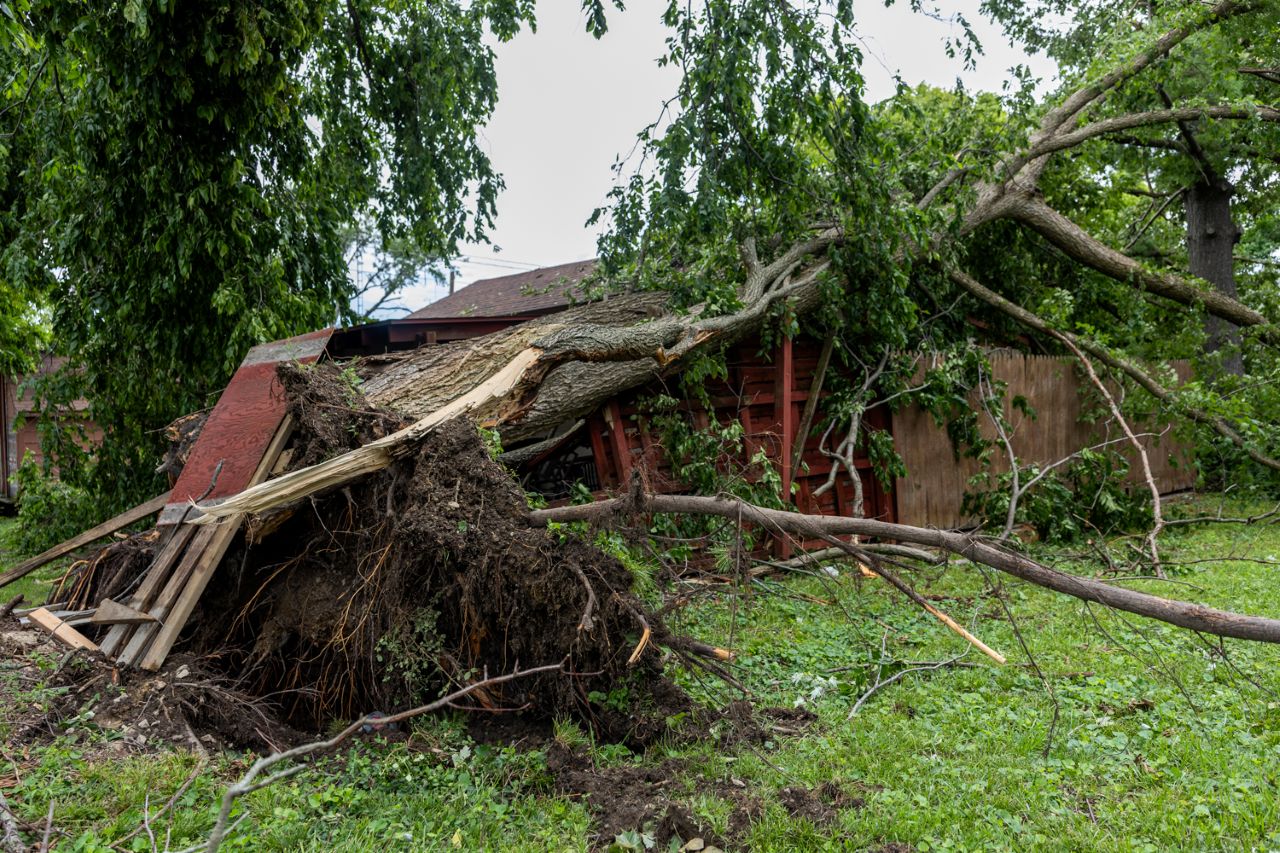
The community had just finished cleaning up debris from strong winds a few days prior when this tornado hit, Coles County Emergency Management Agency Director Jim Hilgenberg said.
“It seems like we get done with one incident and then another one follows up,” he added.
Hilgenberg has been busy this year, but not much else has changed about his job with the increase in tornadoes. He's still watching weather radars and communicating with the community about severe weather.
“There’s more than just damage,” Hilgenberg said. “There's people that are financially strapped because of it, and the cleanup is not necessarily free when they hire contractors to come in to help them fix their houses and clean up their yard and take care of their trees and such.”
Back in Effingham, Michael Yager is still trying to get his company back on its feet, too, months after the tornado.
They were able to start moving the Corvette parts store and museum into a new building just down the street the day after the tornado hit the business. Employees are still working through what’s left of their inventory.
“Certain parts once they got wet were completely ruined. It’s just the nature of the game.,” Yager said. “Then there’s other stuff that was in a box that was in a plastic wrapper, so even though it got wet, you could still save it.”
Yager is working with insurance to fix the totaled cars that were towed from their old site.
What was left of their old buildings was knocked down in August.
“I told our staff – I was like, ‘Listen guys.’ I was like, ‘This is going to be a marathon. This is not going to be a sprint,’” Yager said. “‘Some of us are going to make a lot of wrong decisions, but at the end of the day, as long as we're moving forward and the majority of the decisions are correct, then together we'll get through it.’”
For now, he’s taking it day by day as he rebuilds his family’s business.
“Face to face with a tree in my kitchen”: Danville family survives direct hit during severe storm
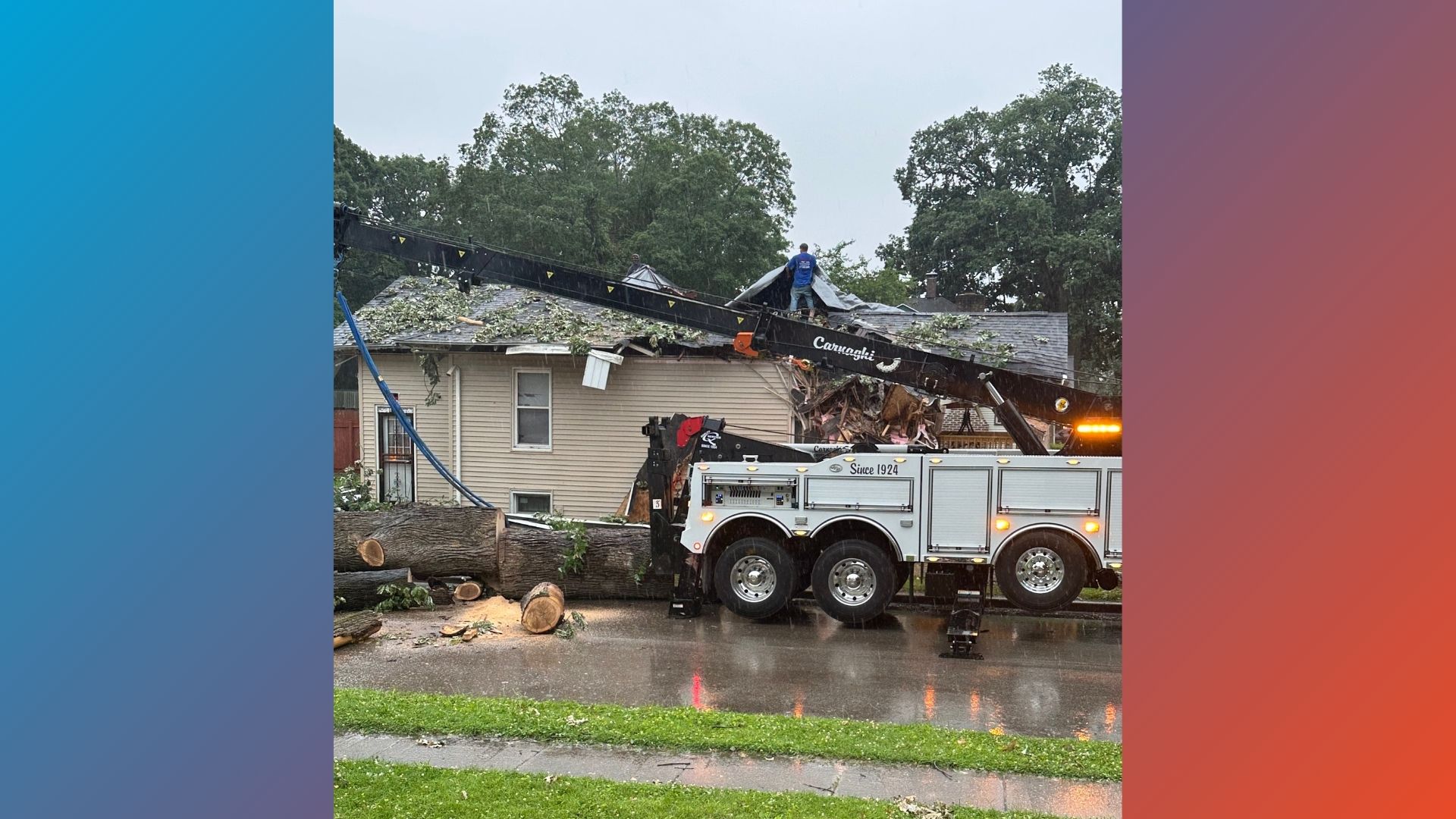
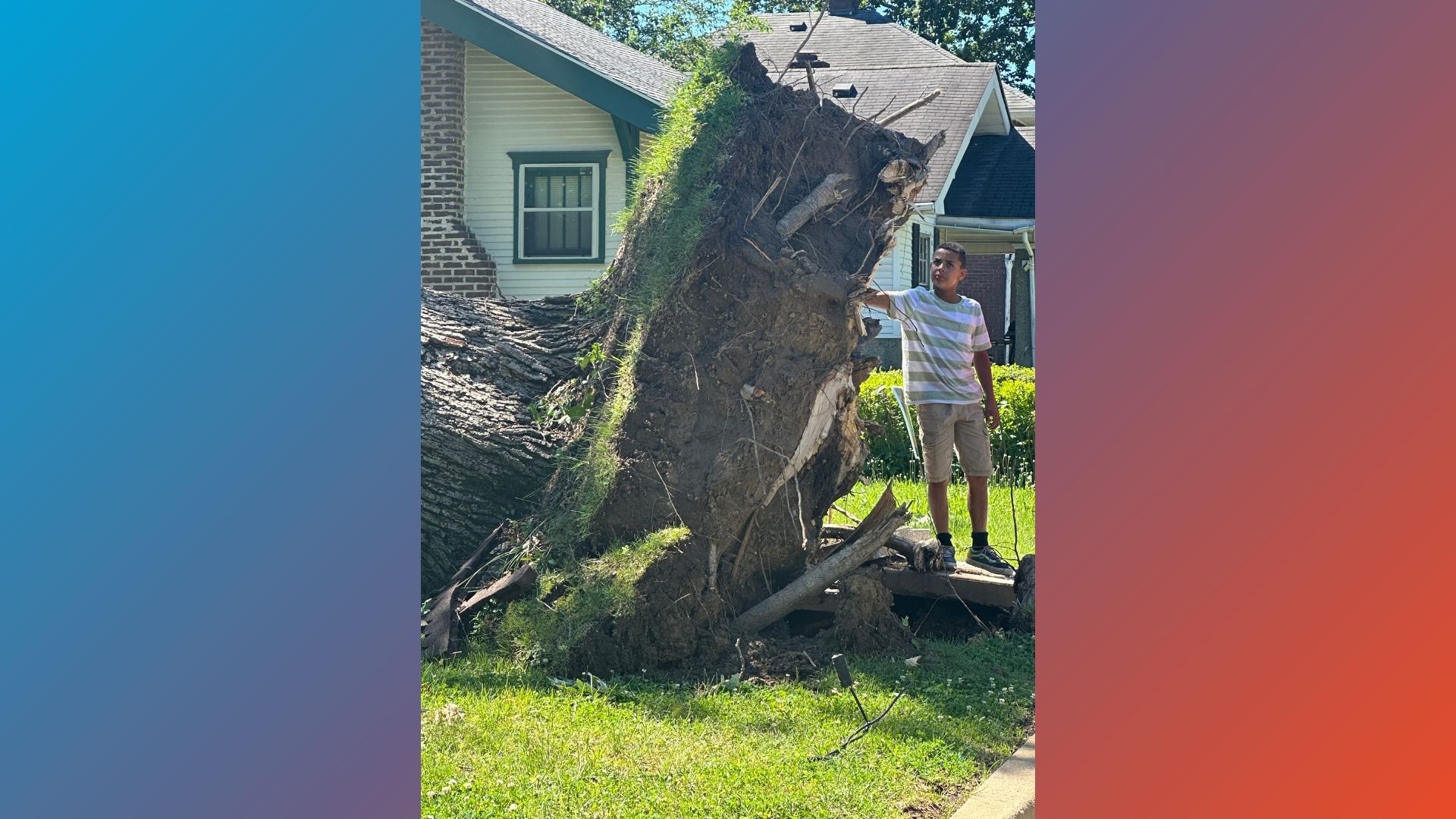
Imagine one minute you're cooking dinner and next there is a tree on top of your house, and you're face to face with it in your kitchen. That's exactly what happened to Paula Young on June 11, 2026. This same storm produced tornadoes nearby that cut down hundreds of trees at a nearby Forest Preserve. By the time it reached the Young’s home, it produced straight line winds that changed her life forever.
This home, located near the historic Lincoln Park in Danville, Illinois has housed and sheltered multiple generations of families, both blood and chosen. The house was heavily damaged when a more than century old tree came crashing down on its roof.
"I just heard this loud crash or this loud sound and then the shaking," she remembered.
The fallen tree, debris and structural damage left the family with few safe ways to move through the house. Young described heavy rain pouring in, as insulation, boards and rafters came crashing down around her.
"I can't go this way because I see tree and insulation, and it's raining," Young said. “Rain, insulation and darkness, so I can't go this way, and my husband is standing down this way, but I can see the tree so I know I can't go that way either.”
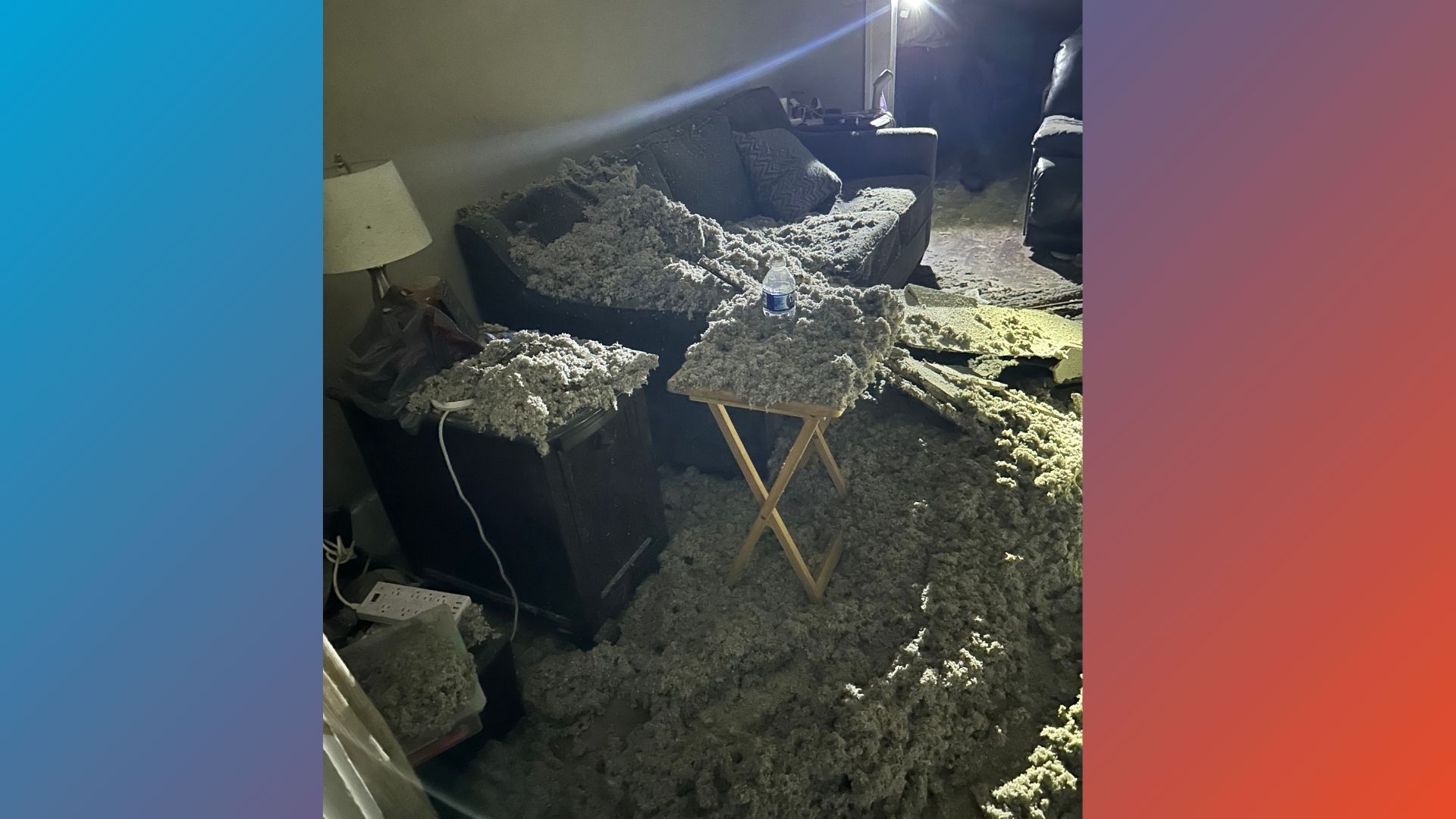
Power lines in their neighborhood had also snapped, leaving the family in total darkness other than phone flashlights. Inside, the damage was extensive. Cracked ceilings, broken trim and water damage. The room that had served as the family's office took much of the impact. When we visited in September, it was still sealed off because of the extensive damage.
"Everything in there is destroyed," Young said. “Everything in there is just as it was that day.”
It wasn't until the following morning that her family could fully take in what had happened. The tree that had always been in their front yard had been ripped from the earth and was laying on their house.
"It's my home," said Young. “And it's been my home for as long as I can remember. So, I am very attached to this place.”

Paula’s parents were married in that home. She said multiple generations have called the house home, including her own family and others who raised their families there.
"To see it pretty destroyed like it was pretty devastating," she said.
After that came short stays with relatives, hotel living, and dealing with insurance and tree removal.
Through it all, Paula says she’s grateful her family escaped without injury. Her husband came particularly close to being in the tree's path. Young said he would have been in his usual spot just 10 minutes later.
Now, the family is beginning the long process of rebuilding. It won't happen overnight, and Young knows returning home will take considerable time and work. But despite the devastation, she remains hopeful.
"It'll be a while. It's not going to be anything easy, and I know it's going to be quite a process," she said. “But we are going to be able to rebuild and come back home, and that is the exciting part.”
Illinois in a State of Change: essential severe weather survival tips every resident needs to know
Due to climate change, Illinois is in a State of Change and as severe weather continues to affect communities across the Prairie State, knowing what to do is key. But for many people, the last time they participated in a storm drill may have been in elementary school. Having a plan is one of the best ways to protect yourself and your family. That means identifying a safe place before a warning is issued, finding a way to get weather alerts from a trained weather professional who works in your area, and understanding what those alerts actually mean. It also means clearing up a few common misconceptions about severe weather.
Debunking Tornado Myths
One of the biggest myths is that it’s okay to seek shelter beneath an overpass during a tornado. An overpass can actually put you in more danger. The space beneath it can create a wind tunnel effect, exposing people to stronger winds and flying debris. Overpasses can also become dangerous if the structure is damaged or even worse, collapses. If you're driving during severe weather, your best option is to get to a sturdy building and seek shelter. If that's not possible, follow National Weather Service guidance for taking shelter in your vehicle or outside.
Turn Around, Don't Drown
Floodwaters present another danger, particularly during the spring and summer months. We saw in 2026 how heavy rainfall can quickly overwhelm roads and drainage systems. The familiar phrase "Turn around, don't drown" is more than a catchy reminder. One foot of fast-moving water can carry away a small car. Larger vehicles, including SUVs and trucks, can be swept away in deeper moving water. Click here to read more Flood Safety advice from the National Weather Service.
Watch vs. Warning
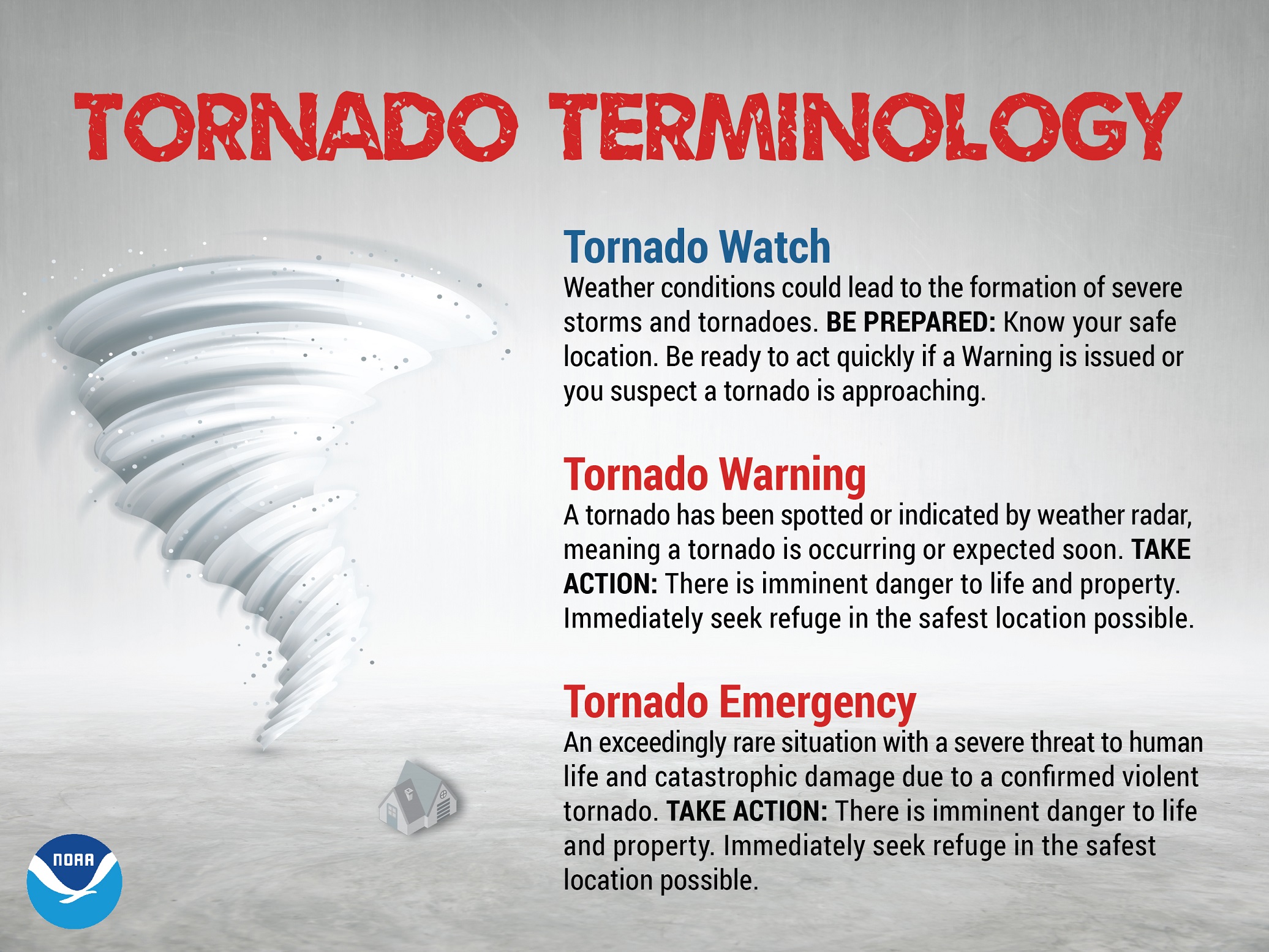
Understanding weather alerts is equally important. Do you know the difference between a watch and a warning? A tornado or severe storm watch means conditions are favorable for severe weather to develop. It's the time to stay informed, review your emergency plan, charge your devices and be prepared. A warning is different. It means severe weather is happening or imminent in your area. When a warning is issued move to your designated safe place, preferably a basement or an interior room on the lowest level of a building, away from windows. Click here to learn more about how the National Weather Service issues Watches, Advisories and Warnings.
Forget the Apps and AI, Count on a Scientist
Even the best emergency plan depends on one critical thing: having accurate information when it matters. For Alivia Colon, a meteorologist at WAND-TV in Decatur, the importance of communicating severe weather threats quickly and clearly became especially real during her first storm season in Illinois. During the 2026 record-setting storm season, Colon spent a lot of time on the air, reporting on severe weather.
"And when I'm on air and I'm covering it, I distinctly remember a couple times this past spring thinking to myself, somebody's house could be damaged," Colon said.
One encounter with a viewer reinforced the importance of localized emergency weather information. Colon said a viewer reminded that she referenced a Casey's gas station nearby and the family was able to shelter in a closet until the storms passed through. Colon encourages people to have a reliable way to receive weather information from a meteorologist during severe weather. Weather apps and artificial intelligence tools can and do give good information, but they shouldn't replace official warnings and the expertise of trained meteorologists.
"This is experience that more of us are going through now, but we're going through it together, so we'll get through it together," Colon said. "But you do have to do your part. I'm going to do my part. I'm going to be staying ready and get the knowledge and I'm never going to stop learning."
Severe weather is not always predictable, and no two storms are exactly alike. But being ready and having a plan can help you stay safe when severe weather is on the ground.